Why Everyone Is Talking About Masking (And What It Really Means for Your Daily Life
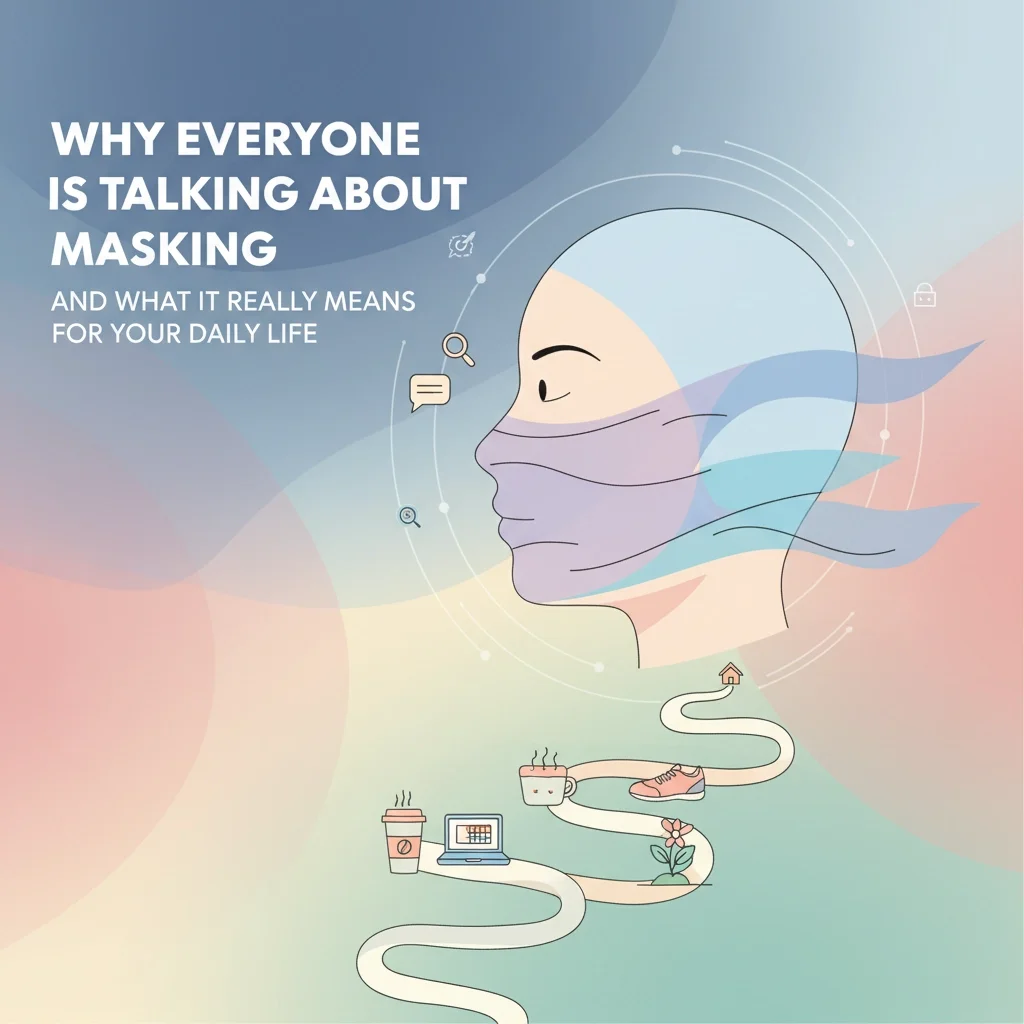
You've probably heard the word floating around lately. Masking. Maybe it came up in a TikTok video that made your heart skip a beat, or in a conversation with a friend who suddenly had words for something you've been feeling your whole life.
If you're here, chances are something about this topic feels familiar. Like maybe you've been wearing invisible armor for so long, you forgot what it feels like underneath.
You're not alone in this recognition. And you're definitely not broken for doing it.
What Masking Actually Looks Like
Masking is the art of hiding your true self to fit into a world that wasn't designed for minds like yours. It's the careful choreography of appearing "normal" when your natural rhythms feel anything but.
Think of it as wearing a costume that everyone else seems to love, but that never quite fits right. You rehearse conversations in your head seventeen times before speaking. You force yourself to sit still when every fiber of your being wants to move. You laugh at jokes that aren't funny and nod along to plans that drain your soul.
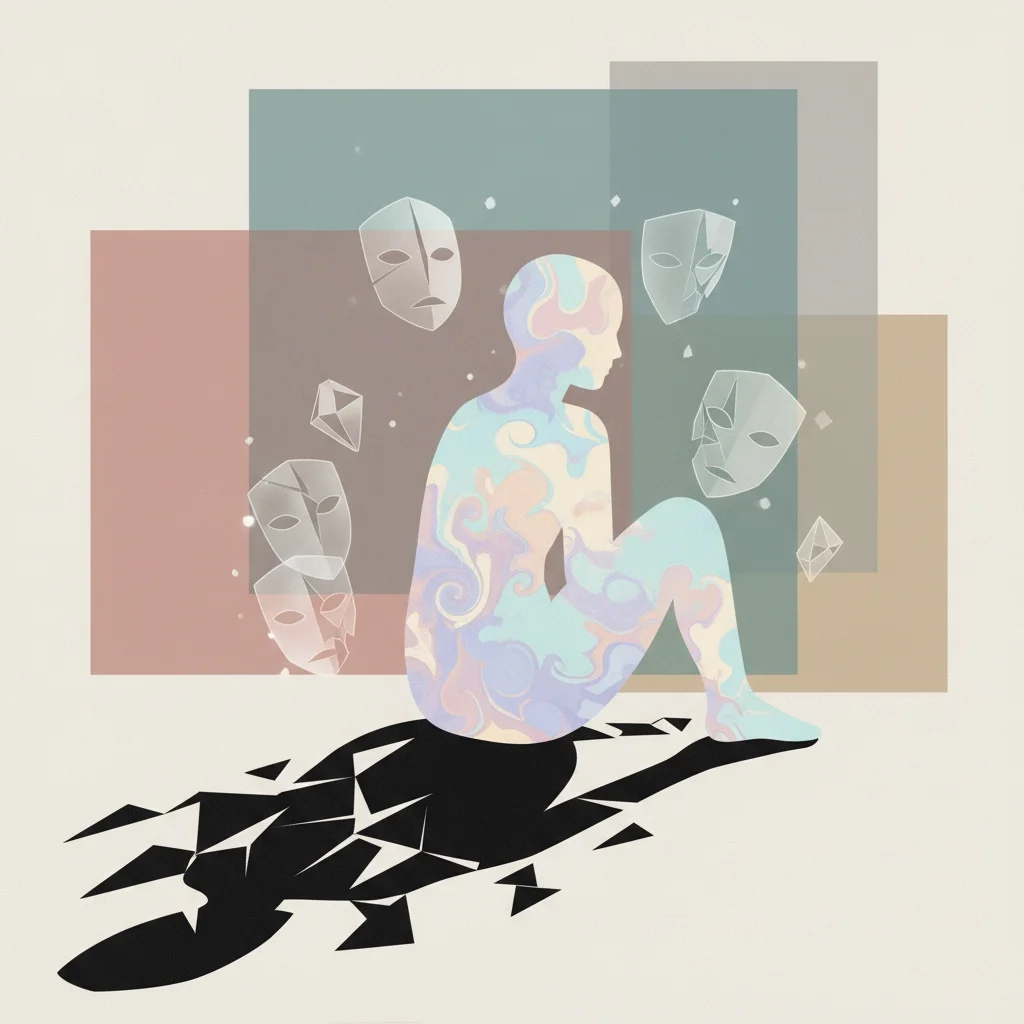
The exhausting dance of pretending to be someone else.
Sometimes masking is conscious: you know exactly what you're doing and why. Other times, it's so automatic you don't even realize you're doing it anymore. Your authentic self becomes buried under layers of "shoulds" and "supposed tos" until you're not sure where the mask ends and you begin.
Here's what masking might sound like in your head:
"I can't fidget in this meeting or they'll think I'm not paying attention"
"I need to make eye contact even though it feels overwhelming"
"I have to laugh at that joke everyone else found funny"
"I should want to go to this social event like a normal person"
Why Everyone's Talking About It Now
The conversation around masking has exploded because we're finally getting language for experiences that have lived in silence for too long. Neurodivergent voices are being heard, and with them comes recognition of just how common masking really is.
Social media has become a place where people share their unmasking journeys: those vulnerable moments of realizing they've been performing their entire lives. It's like watching someone take off a heavy coat they didn't know they were wearing.
The moment you realize you're not the only one.
But it's not just neurodivergent communities talking about this. Masking shows up everywhere: in workplace cultures that demand constant availability, in social situations where authenticity feels risky, in families where being different means being wrong.
Gen Z has even coined "task masking": appearing productive at work while mentally checking out completely. It's masking for the modern workplace, where being seen as busy matters more than actually caring about what you're doing.
The timing isn't coincidental. We're living through a collective burnout, a reckoning with systems that ask us to shrink ourselves to fit. People are tired of performing productivity, neurotypicality, and happiness they don't feel.
The Daily Life Impact (It's Complicated)
Here's where masking gets tricky. In the short term, it can actually help. It's a survival strategy that your brilliant brain developed to keep you safe in a world that often punishes difference.
Masking might help you:
Navigate social situations without explaining yourself
Appear competent in professional settings
Avoid uncomfortable questions or judgments
Feel like you belong, even temporarily
But here's what no one tells you about wearing a mask for too long: it starts to suffocate the person underneath.
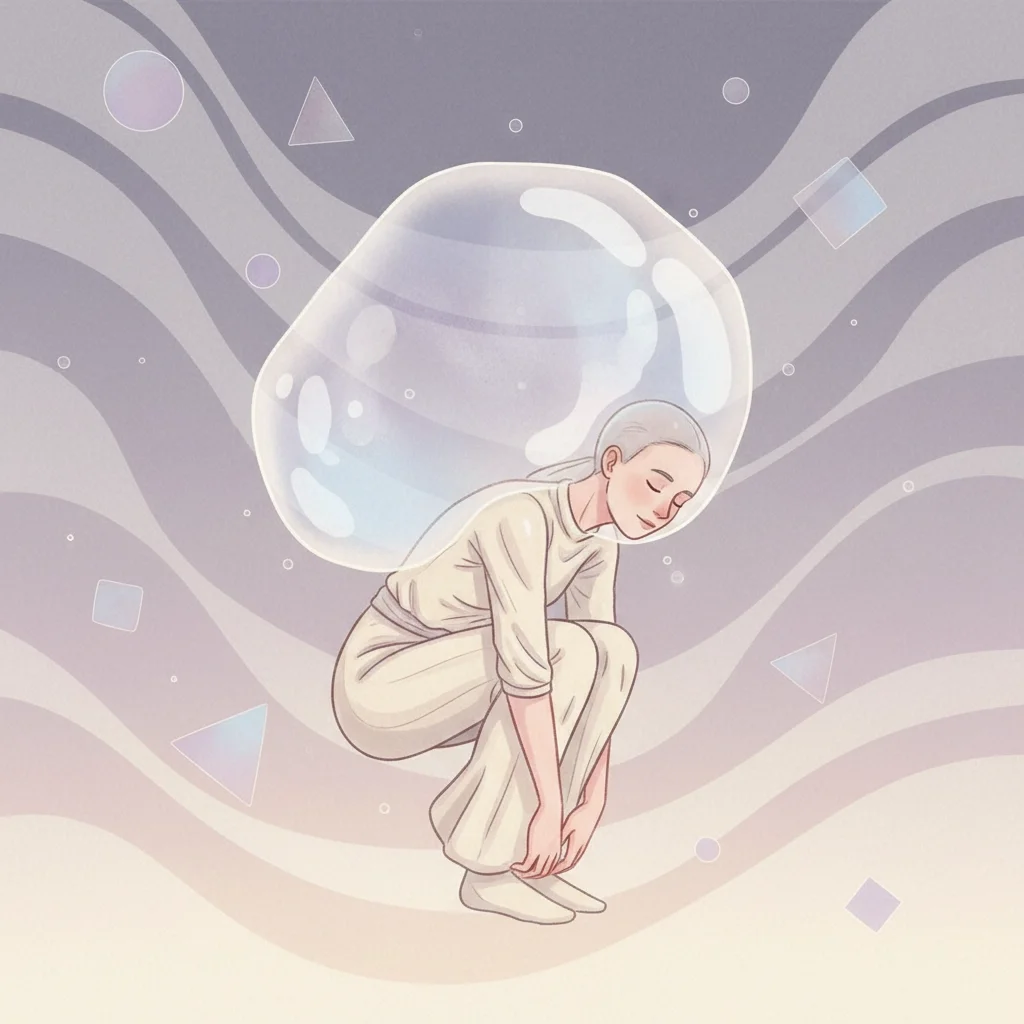
The weight of constant performance.
The hidden costs of daily masking:
Your energy gets depleted faster than everyone else's because you're running two programs simultaneously: who you are and who you think you should be. Social interactions that seem effortless for others leave you drained for days.
You start to lose touch with your own preferences, needs, and desires. When someone asks what you want to do, you freeze. When you're alone, you're not sure who you're supposed to be.
Your nervous system stays in a constant state of hypervigilance, scanning for threats to your carefully constructed image. This chronic stress shows up as anxiety, depression, physical symptoms, and that bone-deep exhaustion that sleep doesn't fix.
Relationships suffer because people are connecting with your mask, not with you. The intimacy you crave feels impossible when you're not sure who you really are behind all the performance.
When the Mask Becomes Your Face
The scariest part about masking isn't that you're doing it: it's when you stop knowing you're doing it. When the performance becomes so automatic that you lose track of where it ends and you begin.
Maybe you've been the "easy-going" person for so long that you don't know what you actually like. Maybe you've been the "together" person while falling apart inside. Maybe you've been the "normal" person while your neurodivergent brain screams for accommodation.
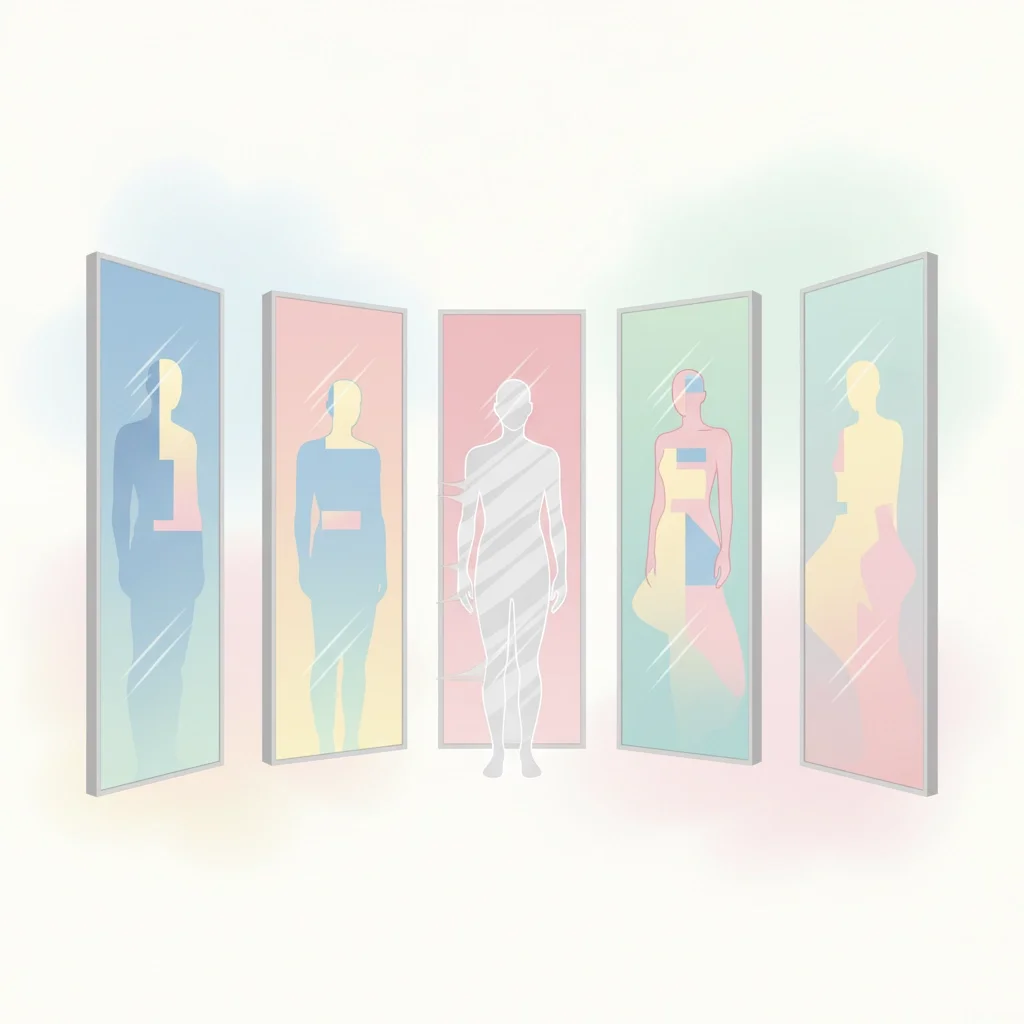
The confusion of not knowing who you really are.
This is where masking becomes dangerous to your mental health. Research shows that long-term masking, especially in neurodivergent individuals, leads to increased anxiety, depression, and identity confusion. You can't sustainably be someone you're not without it taking a toll.
The shame spiral is real too. You feel guilty for masking (because it feels like lying), but you also feel terrified to stop (because vulnerability is scary). You're trapped between authenticity and acceptance, and both choices feel impossible.
Your Brain on Masking
Your neurodivergent brain is already working overtime to navigate a world designed for neurotypical minds. Add masking on top of that, and you're essentially running a full-time translation service while trying to live your life.
Every social interaction requires:
Processing what's actually happening
Analyzing what the "appropriate" response should be
Calculating the risks of authentic versus masked responses
Executing the performance
Monitoring how well it's working
Adjusting as needed
No wonder you're exhausted by 2 PM on a Tuesday.
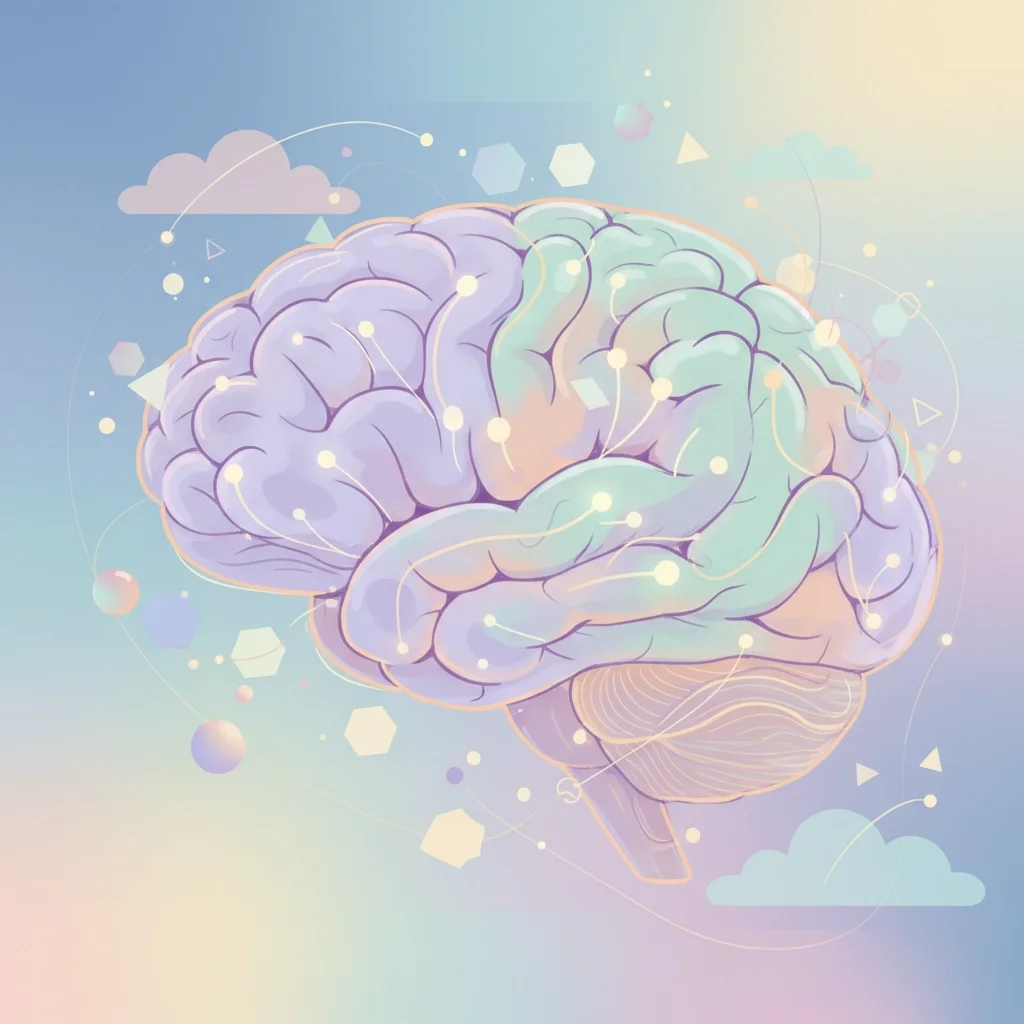
The mental load of constant code-switching.
But here's something beautiful to remember: your brain developed masking as a form of protection and adaptation. It's not weakness: it's intelligence. Your brain figured out how to help you survive in environments that weren't designed for you.
The goal isn't to shame yourself for masking. It's to recognize it, understand it, and slowly create spaces where you can let the mask slip.
The Path Forward (It's Not Linear)
Unmasking isn't about throwing all your coping strategies away and living completely unfiltered. It's about choice. It's about knowing when you're masking and deciding consciously whether it serves you in that moment.
Some days, the mask might still be necessary. Some environments might still require it for your safety or success. That's okay. The difference is awareness and intentionality.
Start small: Notice when you're performing versus when you're just being. Pay attention to which environments drain you and which ones energize you. Give yourself permission to be different things in different spaces.
Find people who love you with the mask off. Seek communities where your particular brand of weird is not just tolerated but celebrated. Join conversations where masking is understood as a shared experience rather than a personal failing.
Remember that your authentic self: stimming, scattered, intense, sensitive, passionate, and beautifully neurodivergent: deserves to take up space in this world. Your magic doesn't fit in straight lines, and that's exactly why it's magic.
The conversation about masking is happening because we're ready for it. We're ready to stop performing neurotypicality and start celebrating neurodivergence. We're ready to build workplaces, relationships, and communities where masks are optional, not mandatory.
Your story: masked and unmasked: matters. Your journey toward authenticity matters. And in a world that's finally starting to listen, your voice matters too.
What would it feel like to let the mask slip, just for a moment? What would it feel like to be seen: really seen: for who you are underneath?
The answer doesn't have to be perfect. It just has to be yours.
