7 Mistakes You're Making with Neurodivergent Storytelling (and How to Fix Them)
Your stories matter. The experiences living in your neurodivergent mind deserve to be told with the same care, complexity, and authenticity as any other human narrative. But somewhere between good intentions and final drafts, many of us fall into patterns that diminish rather than honor these experiences.
If you've ever felt like your neurodivergent characters fall flat, or your own story doesn't quite capture what it's really like to move through the world with a brain that works differently: you're not alone. These mistakes are common, fixable, and absolutely not a reflection of your worth as a storyteller.
Let's explore what might be holding your neurodivergent narratives back, and more importantly, how to breathe life into them.
Mistake #1: Reducing Characters to Their Diagnosis
You know this one intimately if you've ever felt reduced to a list of symptoms.
The most heartbreaking mistake happens when we flatten neurodivergent characters into walking diagnostic criteria. Your autistic character becomes nothing more than stimming, routine, and social awkwardness. Your ADHD protagonist exists only through hyperactivity and impulsiveness.
But you are not your diagnosis: and neither should your characters be.
Real neurodivergent people have favorite foods that have nothing to do with sensory preferences. They fall in love, pursue dreams, make terrible jokes, and have strong opinions about whether pineapple belongs on pizza. Their neurodivergence is one thread in a rich tapestry, not the entire fabric.
How to fix it: Start with the person, not the label. What does your character want most in the world? What makes them laugh until they snort? What do they do when no one's watching? Build these layers first, then consider how their neurodivergent traits weave through their full humanity: not the other way around.
Mistake #2: Letting Others Speak for Neurodivergent Voices
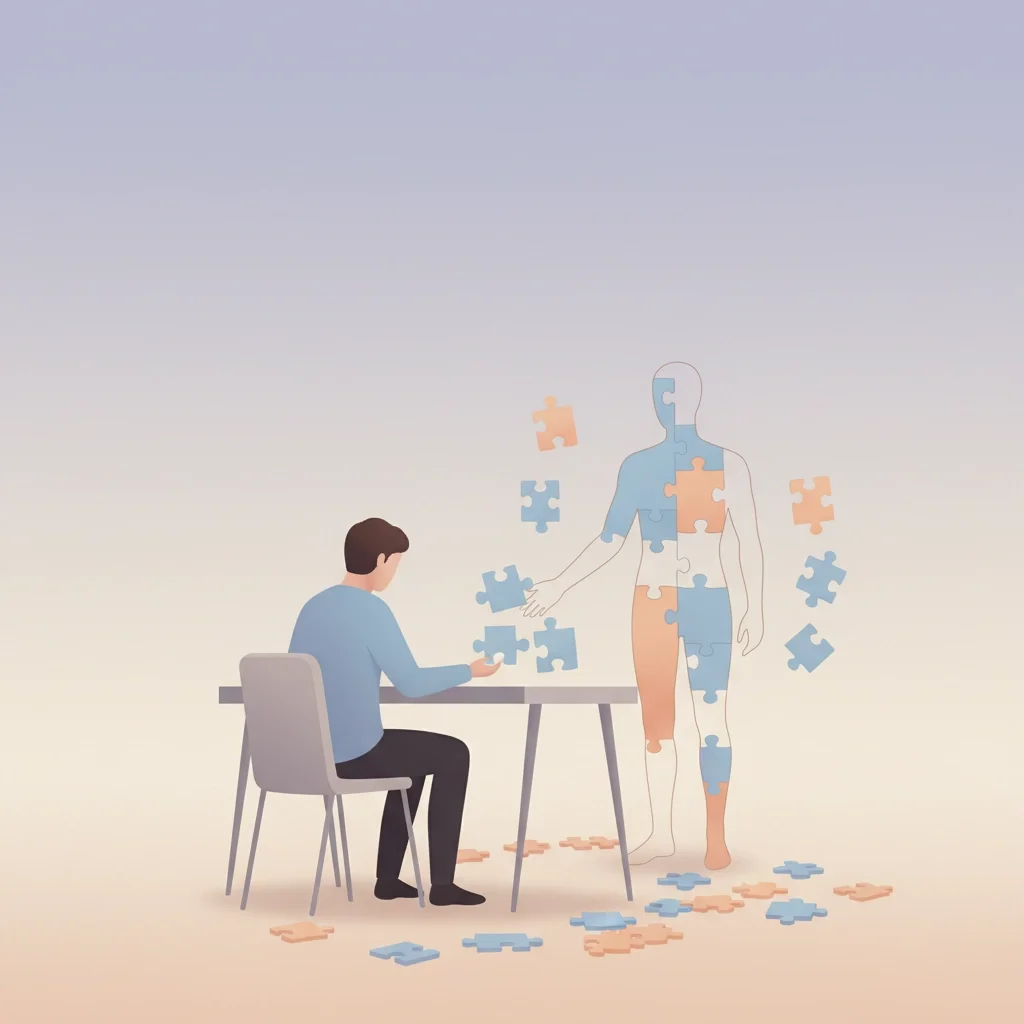
This one cuts deep because it mirrors what happens in real life: when therapists, parents, teachers, or researchers become the "experts" on neurodivergent experience while actual neurodivergent voices get pushed to the margins.
In stories, this shows up when non-neurodivergent characters constantly explain, interpret, or correct the neurodivergent person's understanding of their own life. The autistic character's mother becomes the authority on what autism "really means." The teacher explains what the ADHD student "actually needs."
Your lived experience doesn't need a translator or an interpreter. Your voice carries its own authority.
How to fix it: Center neurodivergent perspectives as valid and complete on their own. If you're writing from outside the community, do the work to understand rather than explain. If you're writing from within it, trust that your experience and interpretation hold weight without external validation.
Mistake #3: Trying to Say Everything at Once
Your story doesn't need to carry the weight of representing every neurodivergent experience ever.
When you try to pack every important message about neurodivergence into one narrative: advocacy, representation, education, inspiration: the story collapses under its own good intentions. Your reader gets lost in competing messages, and your central truth gets buried.
You don't have to fix everything with one story. You just have to tell one story well.
How to fix it: Choose one central truth you want to explore. Is this about the loneliness of masking? The joy of finding your people? The complexity of diagnosis? Let everything else serve that one clear intention.
Mistake #4: Writing for Everyone (Which Means Writing for No One)
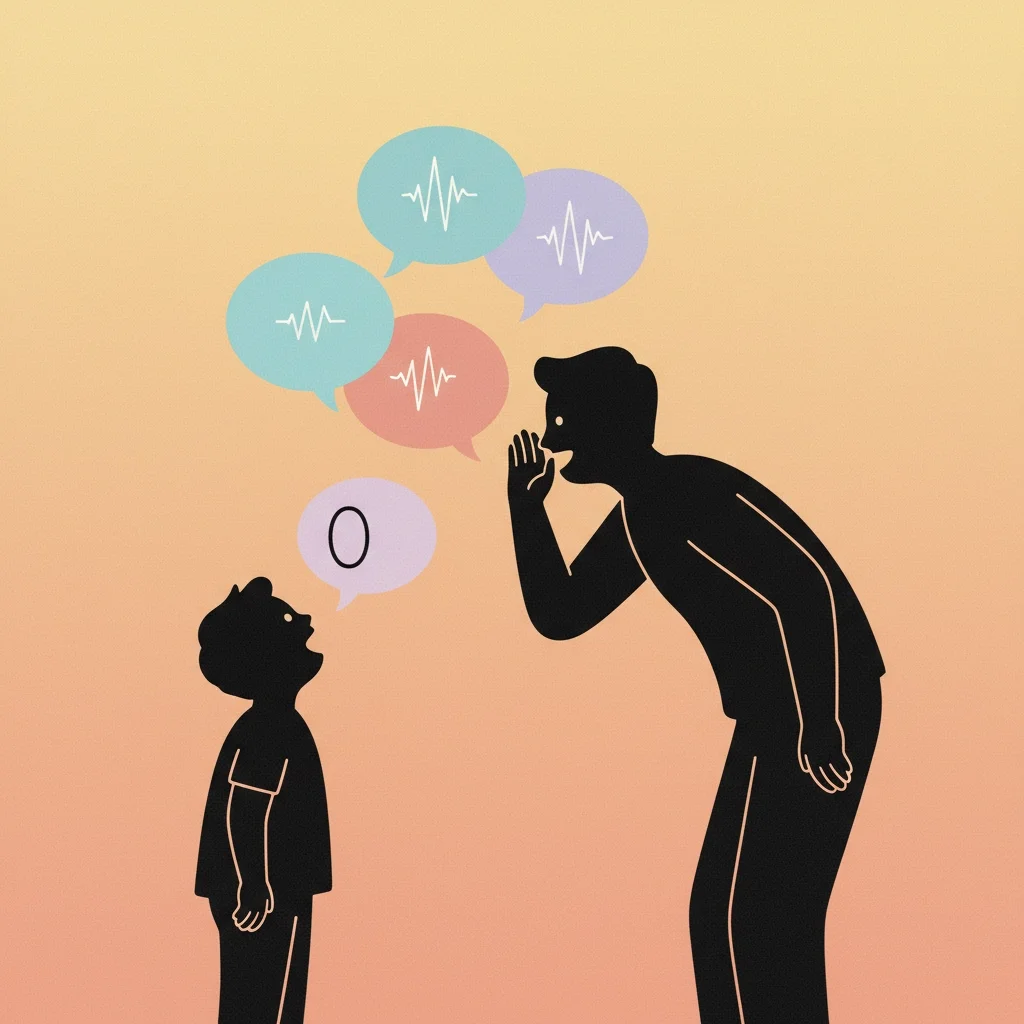
When you try to make your neurodivergent story palatable to every possible reader: neurodivergent and neurotypical, young and old, newly diagnosed and lifelong advocates: you end up with something bland that speaks to no one.
Your specific experience deserves specific storytelling.
How to fix it: Write for someone particular. Maybe it's the newly diagnosed adult who's questioning everything they thought they knew about themselves. Maybe it's the parent trying to understand their child. Maybe it's the neurodivergent teen who's never seen themselves reflected honestly in fiction.
When you write for someone specific, you create something that might reach many: but it will definitely reach the people who need it most.
Mistake #5: Burying Your Hook Under Good Intentions
You know your story is important, but importance alone won't pull readers in. If you spend the first few paragraphs explaining context, setting up diagnoses, or providing educational background, you've lost your audience before they've found your heart.
Your story deserves an entrance that honors both its significance and its humanity.
How to fix it: Start with what matters most: the moment of conflict, the emotional truth, the question that drives everything. Trust that context can emerge naturally as your story unfolds. Hook hearts first, then heads.

Mistake #6: Leaning Into Stereotypes Instead of Specificity
It's tempting to use the most visible, dramatic, or well-known aspects of neurodivergent conditions because they're familiar to readers. But when you reach for stereotypes: the savant, the meltdown, the social disaster: you're trading authenticity for recognition.
Most neurodivergent experiences happen in the quiet moments, the internal struggles, the small adaptations that make life workable. That's where the real stories live.
How to fix it: Spend time in neurodivergent spaces. Read memoirs, follow advocates, listen to podcasts by and for neurodivergent people. Learn about the breadth of experiences within any condition. Then choose details that serve your specific story, not just the most "visible" traits.
Mistake #7: Forgetting That Structure Serves Story
Whether you're neurodivergent yourself or writing neurodivergent characters, solid story structure isn't optional: it's the framework that lets your unique perspective shine. Without it, even the most authentic details and experiences scatter like puzzle pieces without the picture on the box.
Your nonlinear thinking isn't a bug in your storytelling: it's a feature. But it still needs structure to support it.
How to fix it: Master the basics of narrative architecture. Learn how scenes build toward change, how conflict drives character growth, how themes emerge through action rather than explanation. These tools don't constrain your unique voice: they amplify it.
Your Stories Are Ready
Here's what I want you to remember: every mistake on this list is fixable. Your neurodivergent story: whether it's fiction, memoir, or something in between: has something essential to offer the world.
You don't need to be perfect to begin. You don't need to represent everyone to matter. You just need to be honest, specific, and willing to dig deeper than the surface.
Your experiences of moving through the world with a brain that works differently aren't just worthy of story: they're necessary. The world needs your particular way of seeing, your specific struggles and joys, your unique solutions to universal human problems.
The stories that change us aren't the ones that play it safe. They're the ones that risk being misunderstood in service of being truly seen.
What story is waiting for you to tell it?
Ready to dive deeper into authentic storytelling? Check out more of our thoughts on nonlinear thinking and creative projects, or explore more resources on our blog. Your voice matters here.
